In 2019 I designed and supervised my first rooftop solar installation — a 10 kW residential system in Lahore. Since then I've taken over 3 megawatts through design, installation and net-metering approval, from 5 kW homes to 200 kW industrial arrays. In those years the installation side of the industry has exploded. The design side has not kept up, and that gap is a career.
This article is about that gap: what solar design work actually is, why it's scarce, what it pays relative to installation, and how to build the skill honestly.
Solar is two industries wearing one name
Installation is the visible industry: crews on rooftops, panel deliveries, inverter boxes. It's real work, but it's crowded — the barrier to entry is a ladder and a borrowed drill, and margins have compressed accordingly.
Design is the invisible industry: the yield simulation that decides whether a bank finances a commercial system, the single-line diagram a DISCO inspector approves or rejects, the string sizing that determines whether an inverter survives a June afternoon in Punjab. This work happens at a desk, it's billed per project, and the people who can do it end-to-end are genuinely scarce.
From my own project log: of the last 40 systems I reviewed as a consultant, more than half had strings sized by rule-of-thumb — some would clip yield forever, two were genuinely unsafe. Every one of them had been "designed" by whoever was selling the panels. That's the state of the market, and it's why proper design skill gets paid.
What a solar designer actually produces
A complete design package for a grid-tied system has four deliverables, and a career-grade designer owns all four:
- The yield study (PVsyst). A simulation with real meteo data, a 3D shading scene, and honest loss assumptions. For any commercial or bank-financed system, this document is the project's business case. PVsyst fluency — not just running the wizard, but defending the loss diagram — is the single most valuable skill on this list.
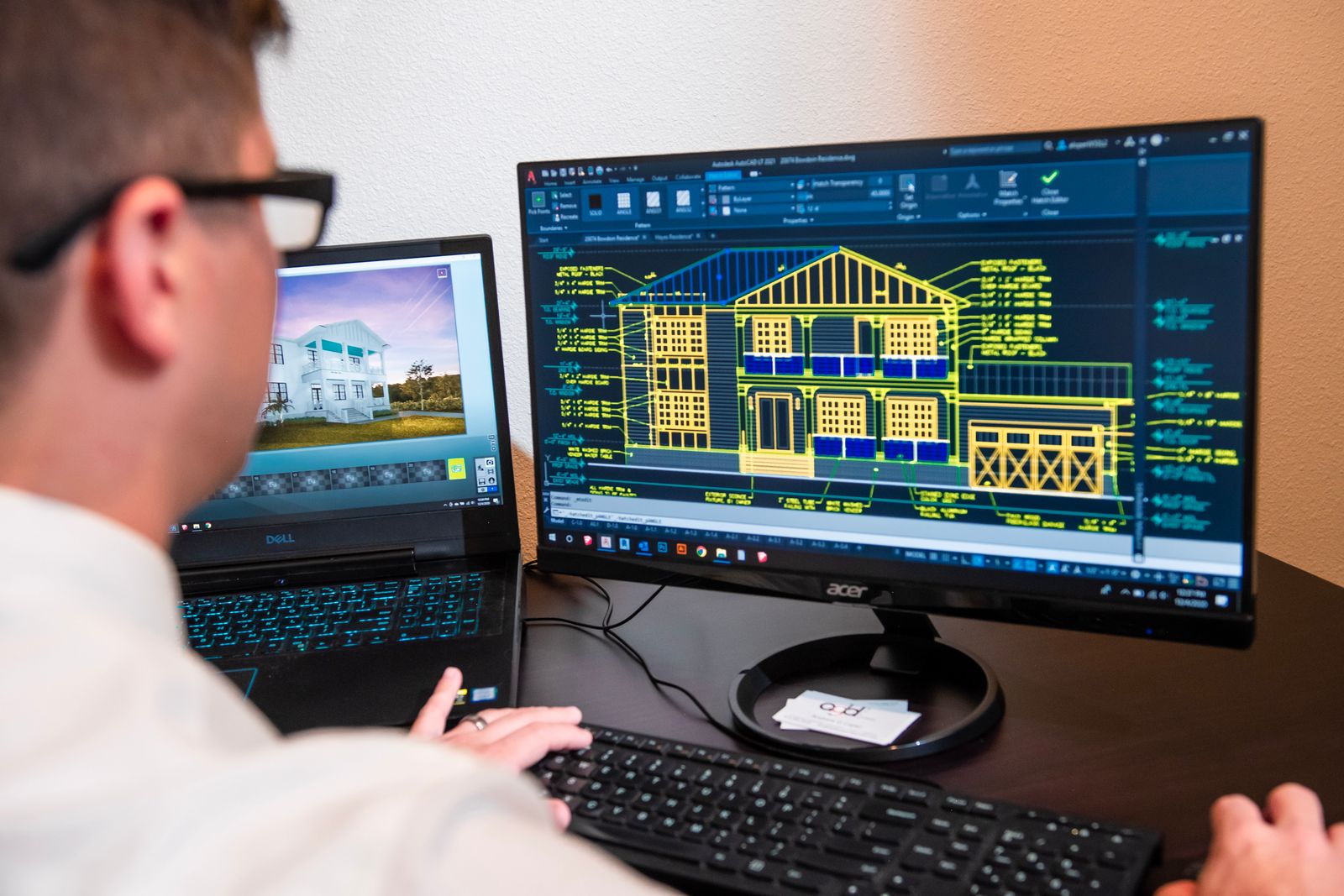
- The engineering drawings. Array layout on the actual roof, mounting details, and a single-line diagram showing DC/AC protection, earthing and SPDs. Done in AutoCAD, checked against the inverter datasheet and cable tables, not vibes.
- The financial picture. System cost from live component prices, payback against the customer's actual tariff and consumption profile. Designers who can read an electricity bill properly close more sales than any marketing.
- The net-metering file. The AEDB/DISCO application, licence paperwork and inspection readiness. Approval time is the number one thing customers complain about industry-wide; a designer whose files pass first inspection is worth repeat business on that alone.
Who pays for this work
| Client | What they buy | How it's priced |
|---|---|---|
| Solar EPC companies | Outsourced PVsyst studies, SLDs, net-metering files | Per project; many EPCs have no in-house designer |
| Commercial/industrial customers | Independent design or design review before buying | Consulting fee; growing as buyers get burned |
| Banks & financiers | Bankable yield studies for solar financing schemes | Per study, quality bar highest |
| International clients (freelance) | PVsyst modelling, AutoCAD solar layouts | Platform rates in dollars; steady demand |
Note what's missing from that table: your physical presence on a roof. Design work travels over the internet, which is why several of my former students deliver PVsyst studies to Gulf and European EPCs from Lahore.
The skill stack, in learning order
- Electrical fundamentals first. Ohm's law, AC/DC, power and energy, reading datasheets. Without this, PVsyst is a black box that produces confident nonsense. A DAE/B.Sc covers it; so does disciplined self-study plus our foundation modules.
- PVsyst. Project setup, meteo sources, 3D shading scenes, string/inverter matching, and — the part that separates professionals — interpreting the loss diagram and performance ratio like an engineer rather than reporting them like a screenshot.
- AutoCAD for solar. Array layouts and SLDs. You don't need full drafting mastery; you need clean, correct, standard drawings. (If you're already an AutoCAD Electrical person, you're ahead.)
- SketchUp for shading models. Fast 3D roof models for client presentations and PVsyst scene geometry — a week of focused practice, honestly.
- The net-metering process. Not software: procedure. Application sequence, documentation, inspection checklist, and the DISCO-specific quirks you only learn from someone who has filed dozens.
This stack is exactly what our three-month PV System Design Expert program packages — including a capstone where you produce the full four-deliverable package for a real rooftop. I built that course around the checklist I use on my own projects, and the net-metering module is the part students later tell me paid for the fee by itself. For the wider electrical-career context around solar, my colleague Imran's software stack guide places this path against ETAP, EPLAN and BIM work.
Do you need installation experience to design?
You need installation literacy, not installation years. A designer who has never seen a roof designs cable routes through walls and mounting rails into thin air. The fix isn't two years on a crew — it's structured exposure: site surveys, a supervised install or two, and design reviews from someone who builds what they draw. That's why our program teaches survey practice with real project files and why instructors still walk students through active sites each batch. The reverse gap is worse: installers who "design" by copying last month's system onto this month's roof. If you're an installer reading this, the design skill stack above is precisely your upgrade path — you already have the half most designers lack.
Realistic expectations
- Time to first paid design work: 4–7 months from an electrical foundation (the course is three; a portfolio and first clients take the rest). Faster if you're inside a solar company already.
- The portfolio that wins work: one complete, honest design package — PVsyst report with a real shading scene, layout, SLD, financial sheet, net-metering checklist. EPCs hand you a trial project on the strength of that alone.
- The compounding asset: approvals. Every net-metering file that clears first inspection becomes a reference. After my first twenty clean approvals, I stopped marketing entirely; DISCO-weary customers find you.
FAQ
Isn't solar about to saturate?
Installation is saturating at the residential low end — that's visible in collapsing per-watt margins. Design demand moves the opposite direction: as systems get bigger (commercial, industrial) and financing gets involved, design quality requirements rise. Saturation in the crowd is the argument for the desk.
I'm not an engineer. Can I do this?
You can do most of it — PVsyst modelling, layouts, financial analysis, net-metering paperwork are skill-based, and I've trained non-engineers who now do them well. Formal sign-off authority and utility-scale work need PEC credentials; residential and commercial design support does not.
Is PVsyst expensive?
There's a full-featured evaluation period and meaningful student pricing, and EPC clients expect deliverables, not your licence receipts. By the time you're billing regularly, the licence is a rounding error — the same economics as every professional tool.
The rooftops are getting covered either way. The question is whether you're the person carrying the panels or the person whose drawings decide where they go.
SOURCES & FURTHER READING